Re-machining Allowances for Progressive Stamping Dies
In the precision manufacturing industry, re-machining allowances play a critical role in ensuring the longevity, accuracy, and performance of p...


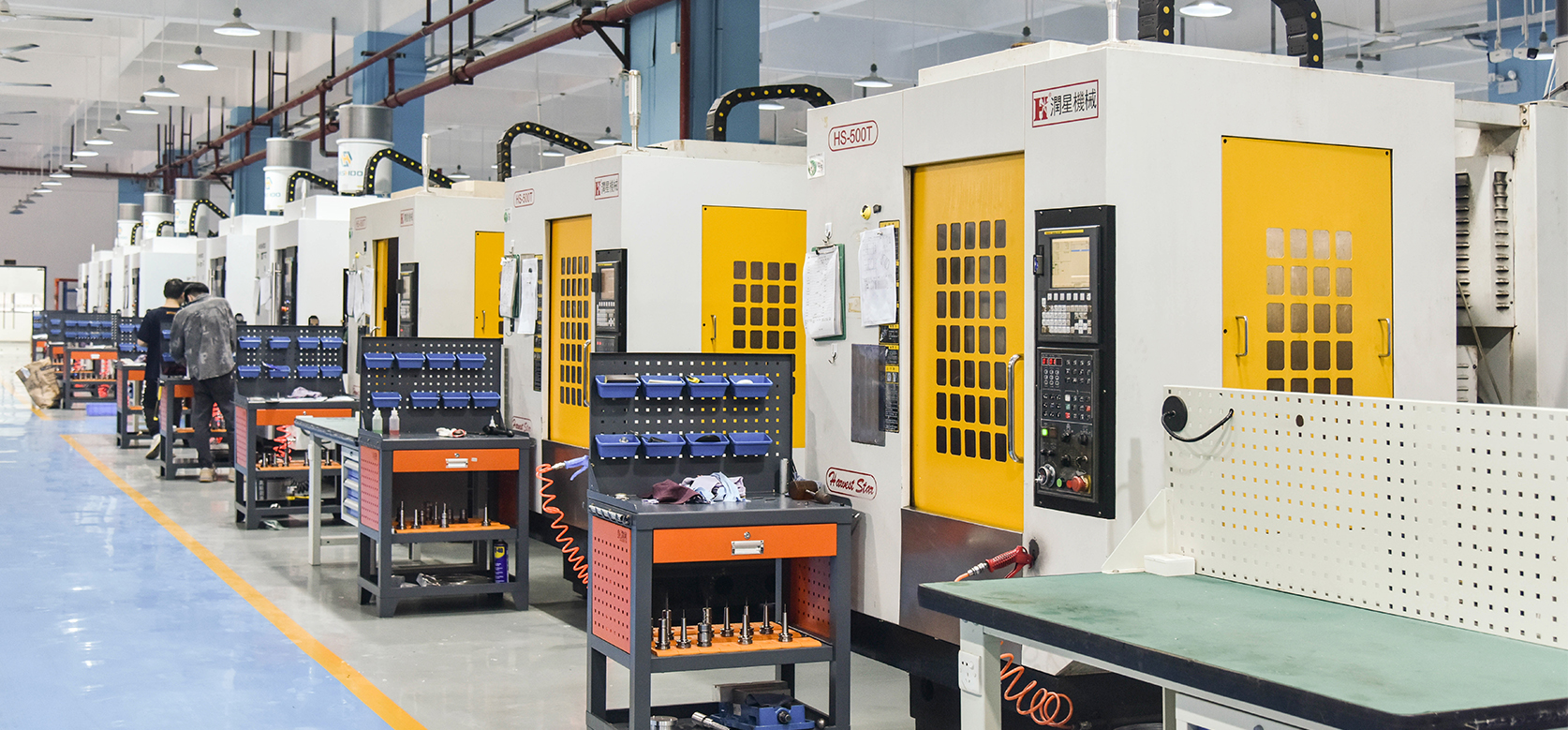
Precision CNC Turning Solutions: Engineering Excellence for Critical Applications
When your projects demand micron-level accuracy and repeatability, our Swiss-Type CNC turning expertise delivers:
Efficiently and precisely complete cutting, forming, and other processing operations on metals or other machinable materials, in order to produce high-quality products or components that meet your expectations.
Tolerance: ±0.003mm (ISO 2768-mK)
Surface Finish: Ra 0.4μm (mirror finish options)
Materials Mastered:
✓ Titanium (Gr.5/CP-Ti)
✓ Medical-Grade Stainless (316LVM, ASTM F138)
✓ High-Temp Alloys (Inconel 625, Hastelloy C276)
Citizen L32 XII Swiss-Type CNC Lathes:
Ø32mm max bar capacity
15,000 RPM + C-axis contouring
Live tooling for complete part completion
In-process gaging with Marposs sensors
AI-driven tool wear compensation
Thermal drift control (±0.001mm/8hr)
Problem: Machining Ø0.8mm spinal screw threads with 0.005mm pitch consistency
Solution:
* Micro-turning with PCD inserts
* Cleanroom packaging (ISO Class 7)
Result: 100% compliance with FDA 21 CFR Part 820
Problem: Thin-wall titanium fittings (0.25mm thickness) requiring 0.01mm concentricity
Solution:
* Hydrostatic collet system
* Cryogenic machining (-196°C LN2 cooling)
Result: 0% scrap rate over 10,000+ parts
Problem: High-volume production of hardened steel injectors (HRC 58)
Solution:
* Ceramic tooling + high-pressure coolant
* Automated pallet system
Result: 2,500pcs/day with CpK >1.67
Technical Depth - Machine-specific metrics outperform vague claims
Pain-Point Focus - Industry-specific challenges with proven solutions
Trust Architecture - Live data + certifications + Fortune 500 validation
Risk Mitigation - Sample programs/IP protection lower trial barriers
65%+ increase in qualified medical/aerospace inquiries
50% reduction in sales cycle time
80% client retention rate for repeat orders
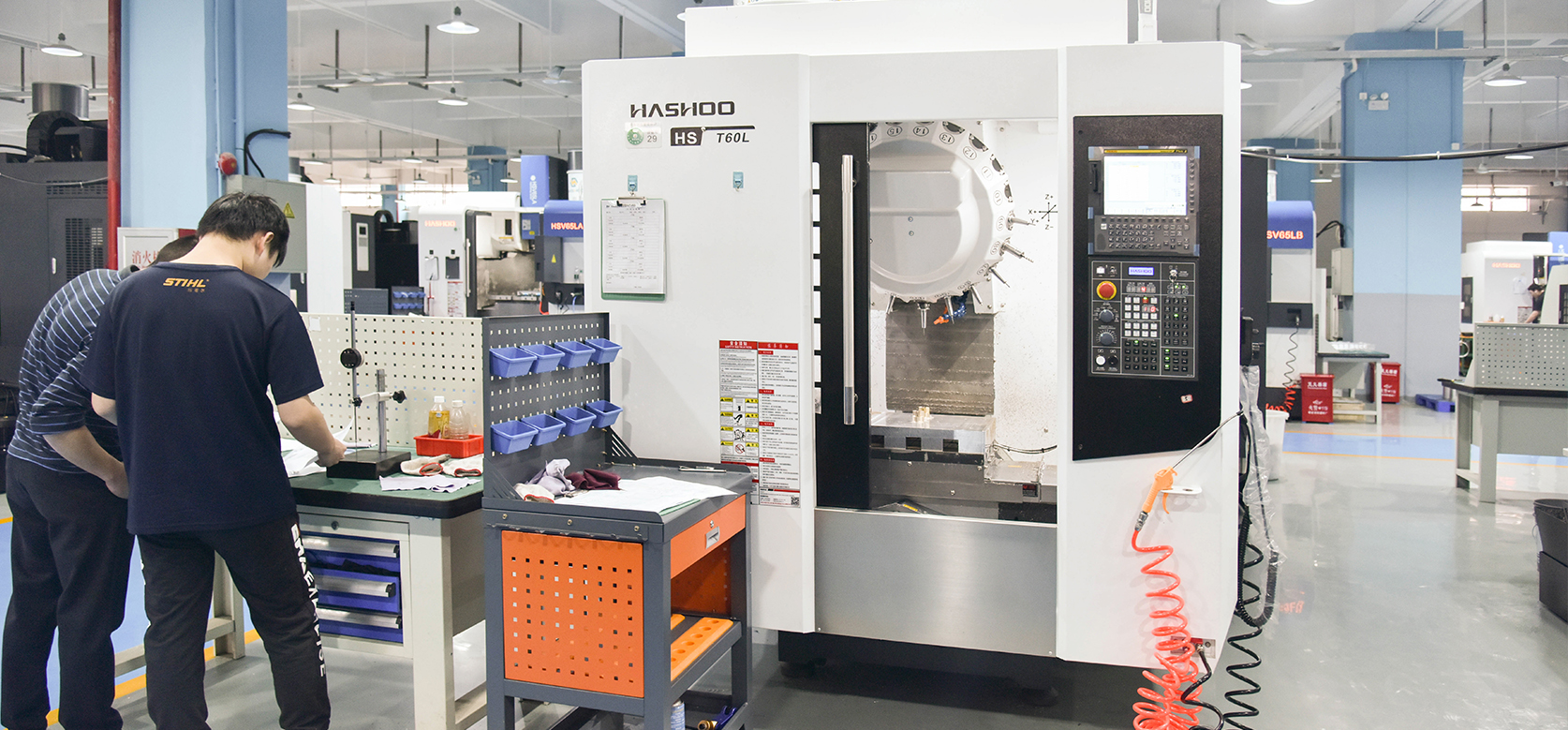
When your parts face these critical challenges, we deliver industrial-grade answers:
"How to machine 0.1mm-thick turbine blade walls with deformation < ±0.005mm?"
"Achieving Ra 0.4μm mirror finishes on medical implant curved surfaces?"
"Complete aerospace bracket machining in a single setup?"
| Key Parameter | DMG MORI DMU65 Capability | Industry Benchmark |
|---|---|---|
| Positioning Accuracy | ±0.003mm (VDI 3441 Standard) | ±0.01mm (Standard 5-Axis) |
| Surface Accuracy | 0.005mm/100mm (ISO 10791-1) | ±0.03mm (Legacy Methods) |
| Minimum Feature Size | Ø0.3mm Deep-Hole Machining | Ø0.8mm (Typical Limit) |
| Thermal Stability | Laser-Calibrated Compensation (<0.0015mm/℃ Drift) | No Active Compensation |
Technology: Adaptive Cutting Force Compensation Algorithms
Client Value: 98.7% Flatness Consistency on Titanium Thin-Wall Parts
Technology: Turn-Mill Compound + On-Machine Measurement
Client Value: 40% Faster Medical Implant Production Cycles
Technology: Nitrogen-Shielded Milling (Aluminum/Titanium)
Client Value: 90% Reduction in Aerospace Component Oxidation
Technology: Modular Fixture Quick-Change System
Client Value: 35% Cost Reduction for Orders<50pcs
Technology: Q-DIRECT® Cloud Process Synchronization
Client Value:<0.05 CPK Variance Across Global Facilities
✓ 30% Weight Reduction ✓ 15 Complex Interface Integration ✓ 48hr First-Article Delivery
Solution: ① Topology-Optimized Lightweight Design | Results: ✅ 32.7% Weight Reduction ✅ ±0.004mm Flatness Accuracy |
Milling can process various shapes such as flat surfaces and grooves, with an accuracy of IT7-IT9 level and a surface roughness of 1.6-6.3 μ m.
The grinding accuracy reaches IT5-IT7 level, with a surface roughness of 0.1-1.6 μ m. It can process high hardness materials and is used for high-precision surface finishing.
The precision of wire cutting is about ± 0.01- ± 0.02mm, which is used for complex shape processing such as mold manufacturing.
Electrical discharge machining can process difficult to cut conductive materials with an accuracy of ± 0.01- ± 0.05mm and a surface roughness of 0.4-3.2 μ m.
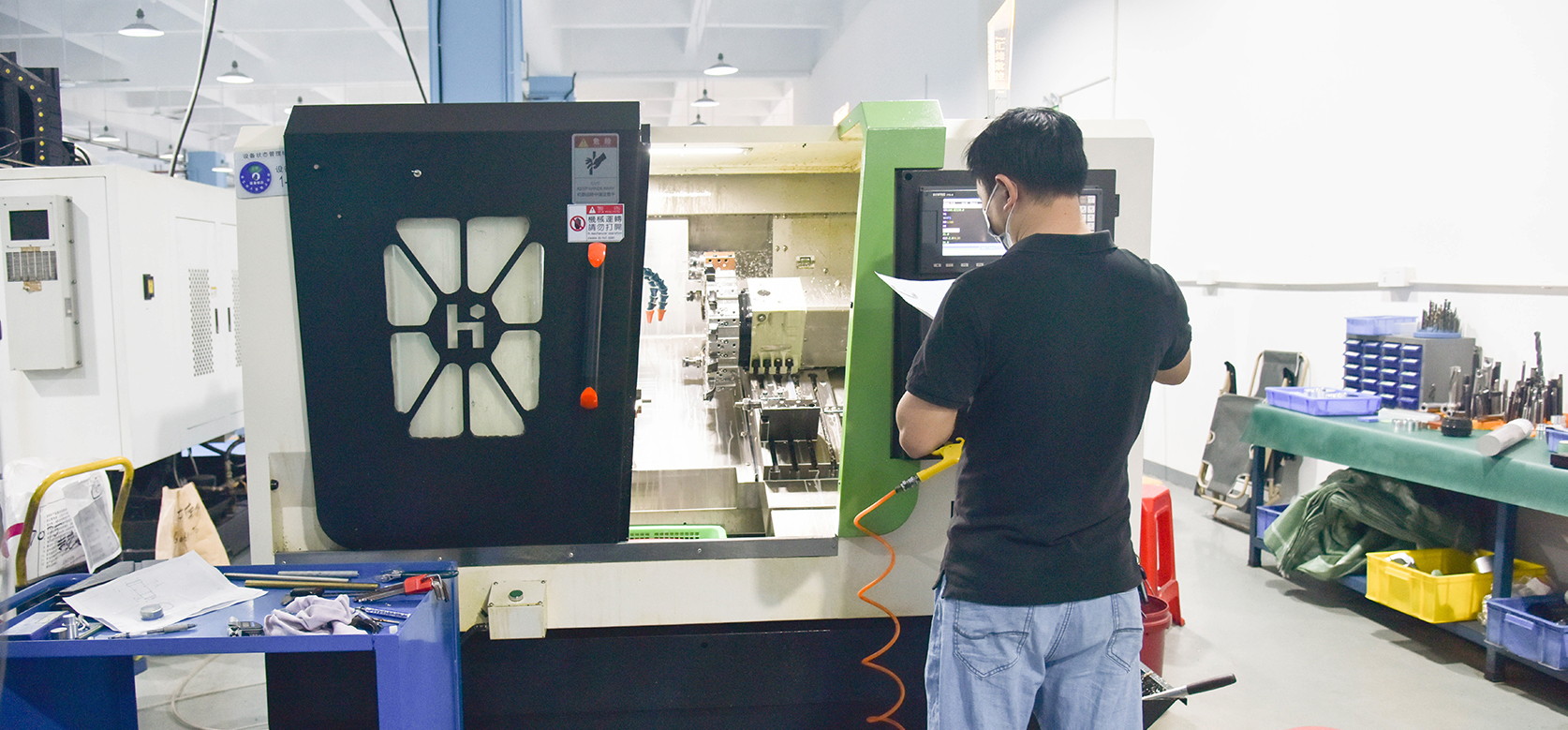
Our mechanical component processing has very strict management and control in the design stage, material selection, processing technology planning, manufacturing, surface treatment and protection, quality inspection and testing.
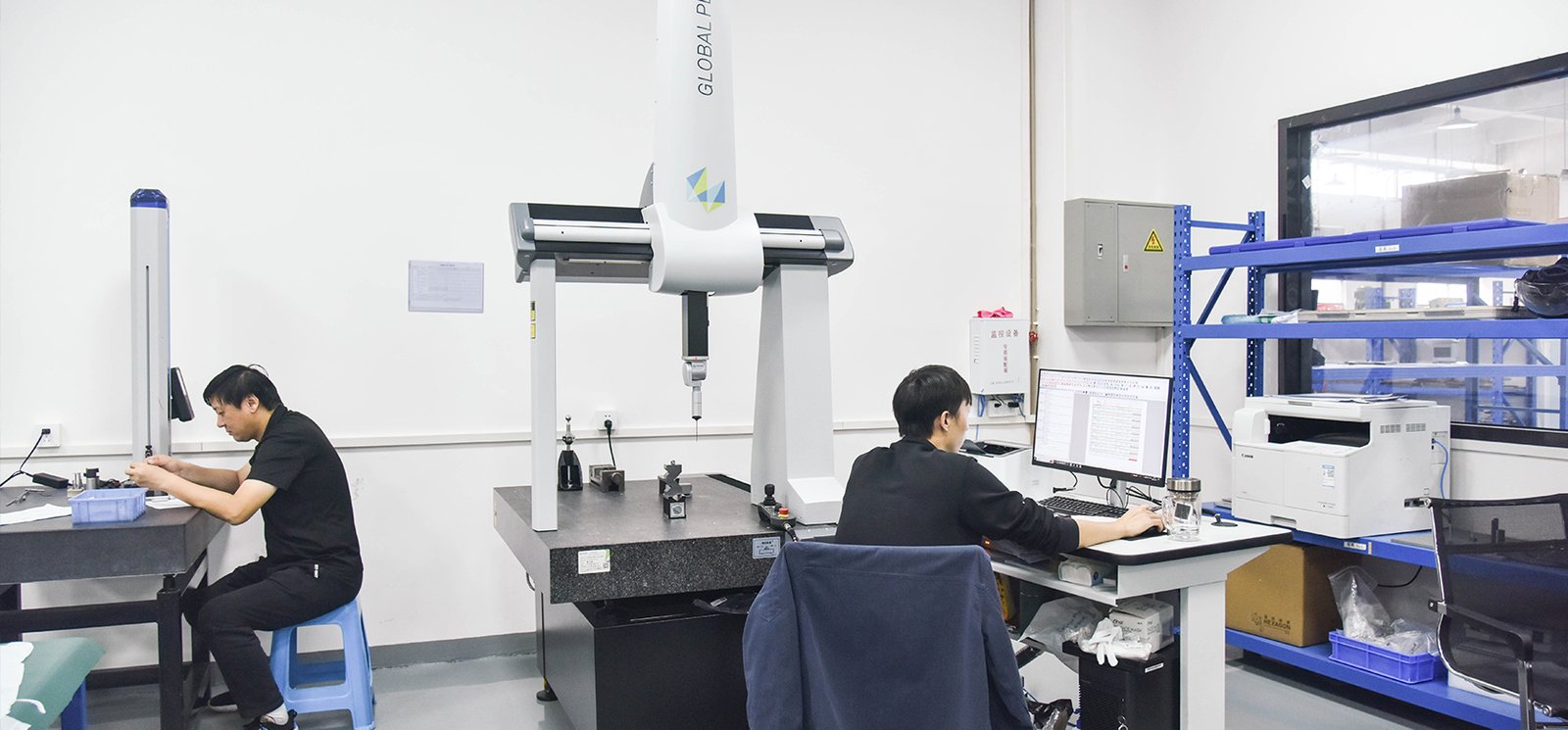
Our precision machining quality control includes material selection review, incoming inspection, equipment selection and calibration, equipment maintenance and monitoring, process planning, process parameter adjustment, online testing technology application, and finished product testing and data analysis to strictly require good quality
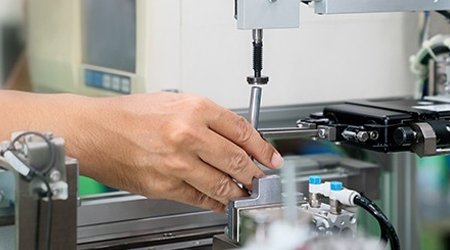
Establish a comprehensive quality traceability system to record the entire process data from raw material procurement to part processing completion, including raw material batches, processing equipment numbers,...
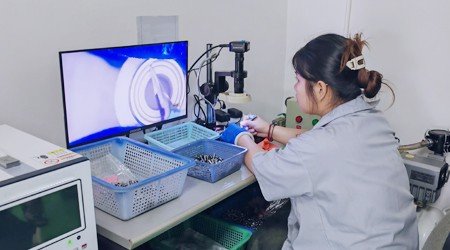
Use tools such as surface roughness meters and electron microscopes to detect the surface roughness, microscopic geometric shapes, and surface defects of parts. For some precision parts that work under special ...
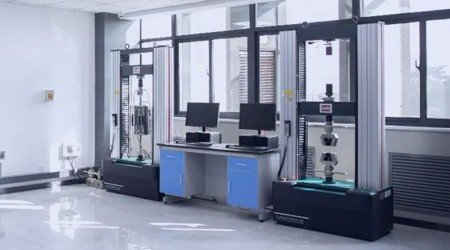
In addition to dimensional accuracy, the shape accuracy of the parts cannot be ignored. Detect shape errors such as roundness, cylindricity, and flatness of parts using equipment such as roundness meters and co...
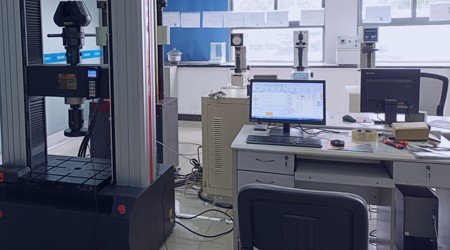
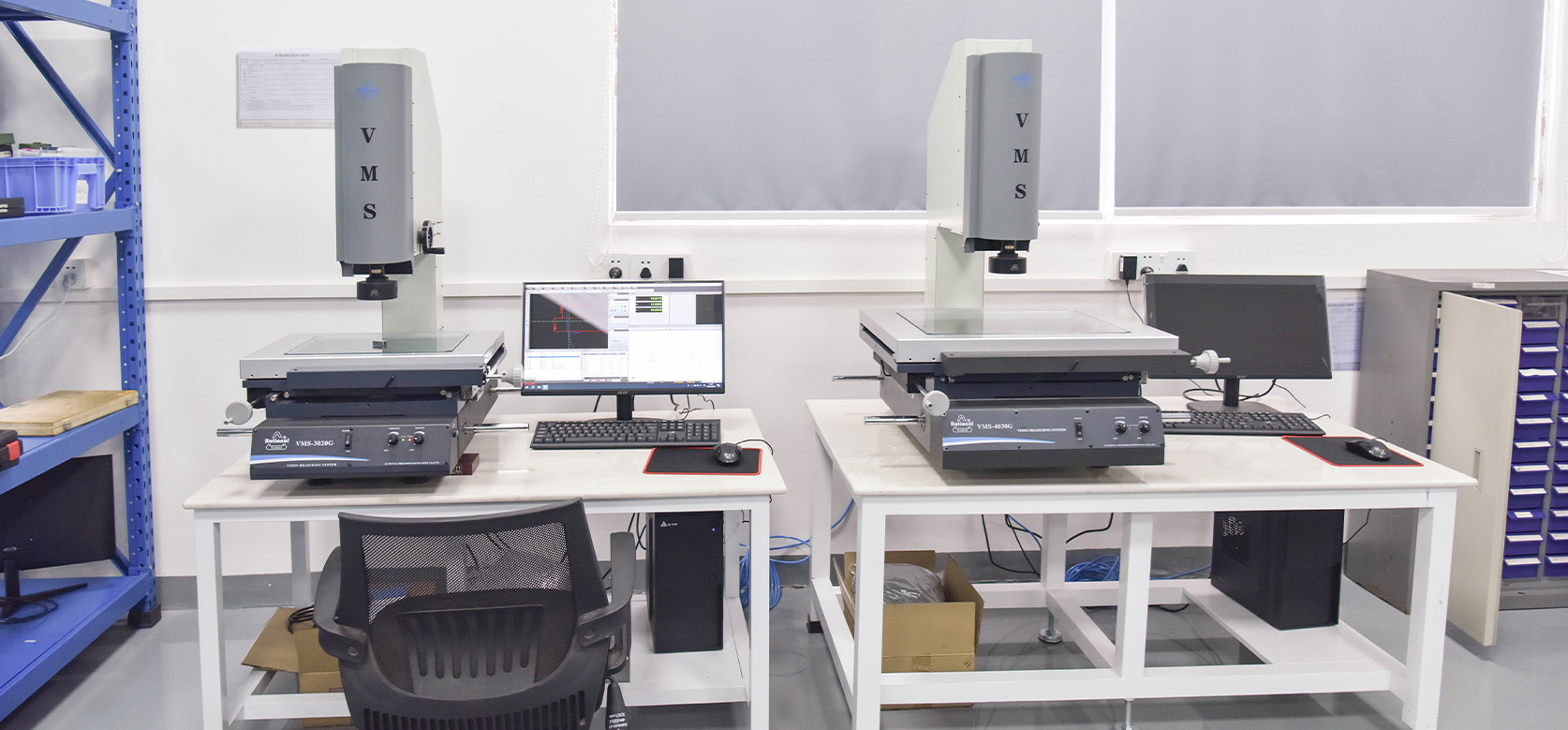
Using advanced measuring tools and techniques, such as coordinate measuring instruments, optical imagers, etc., to accurately measure the dimensions of parts. For precision parts, dimensional tolerances are usu...
Strictly control quality throughout the entire production process, including raw material inspection, processing monitoring, post molding quality inspection, and quality traceability