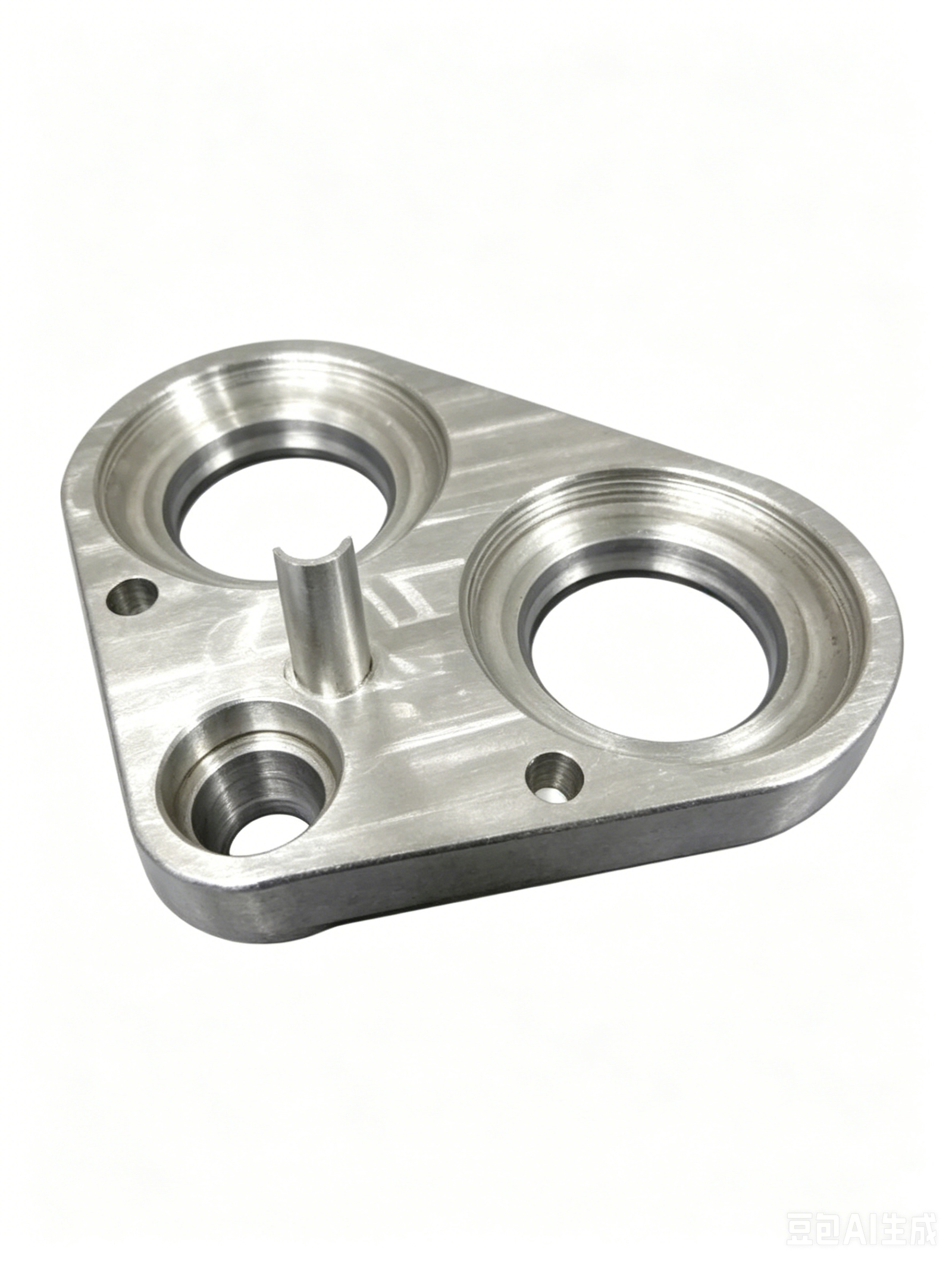
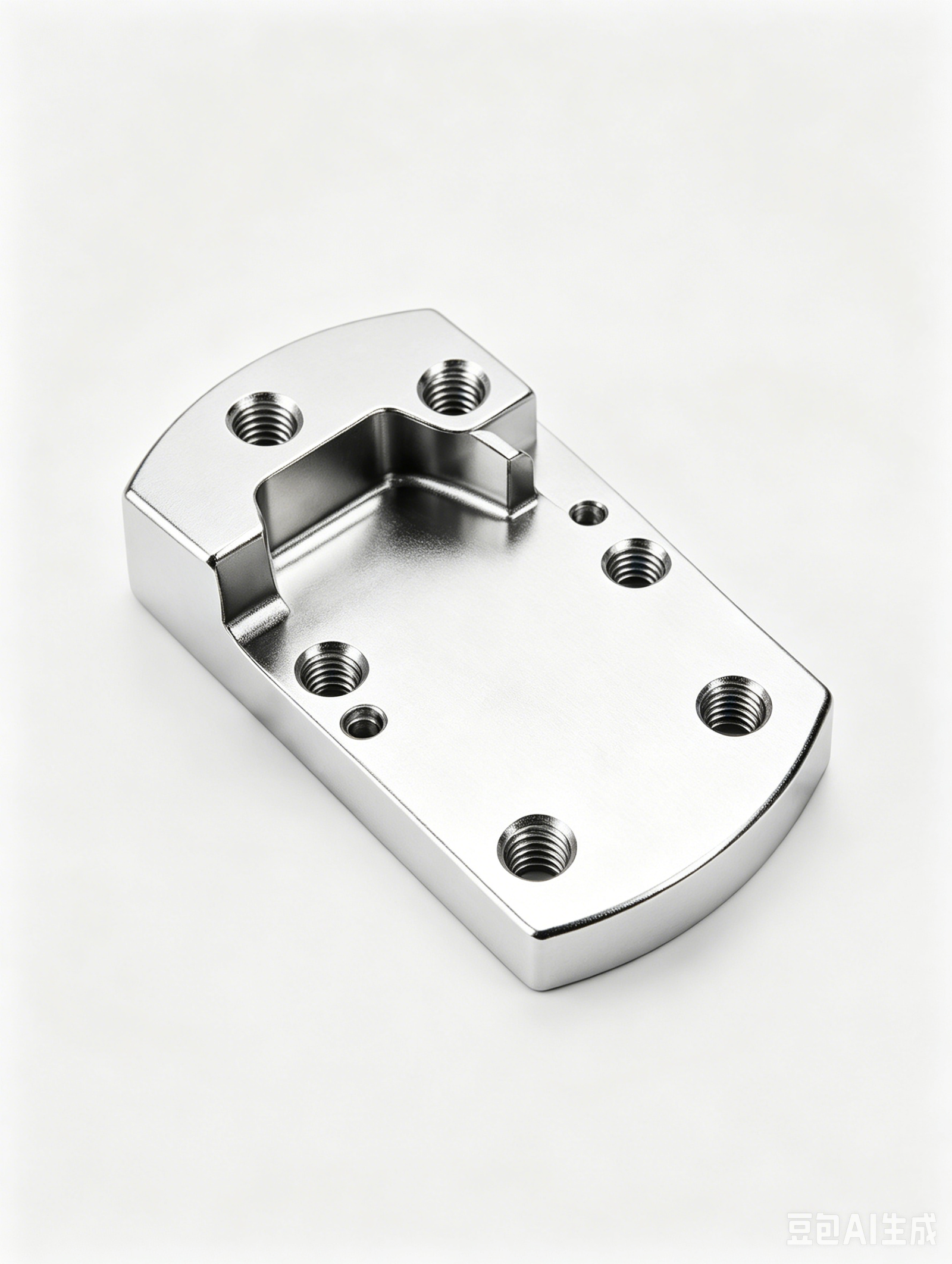
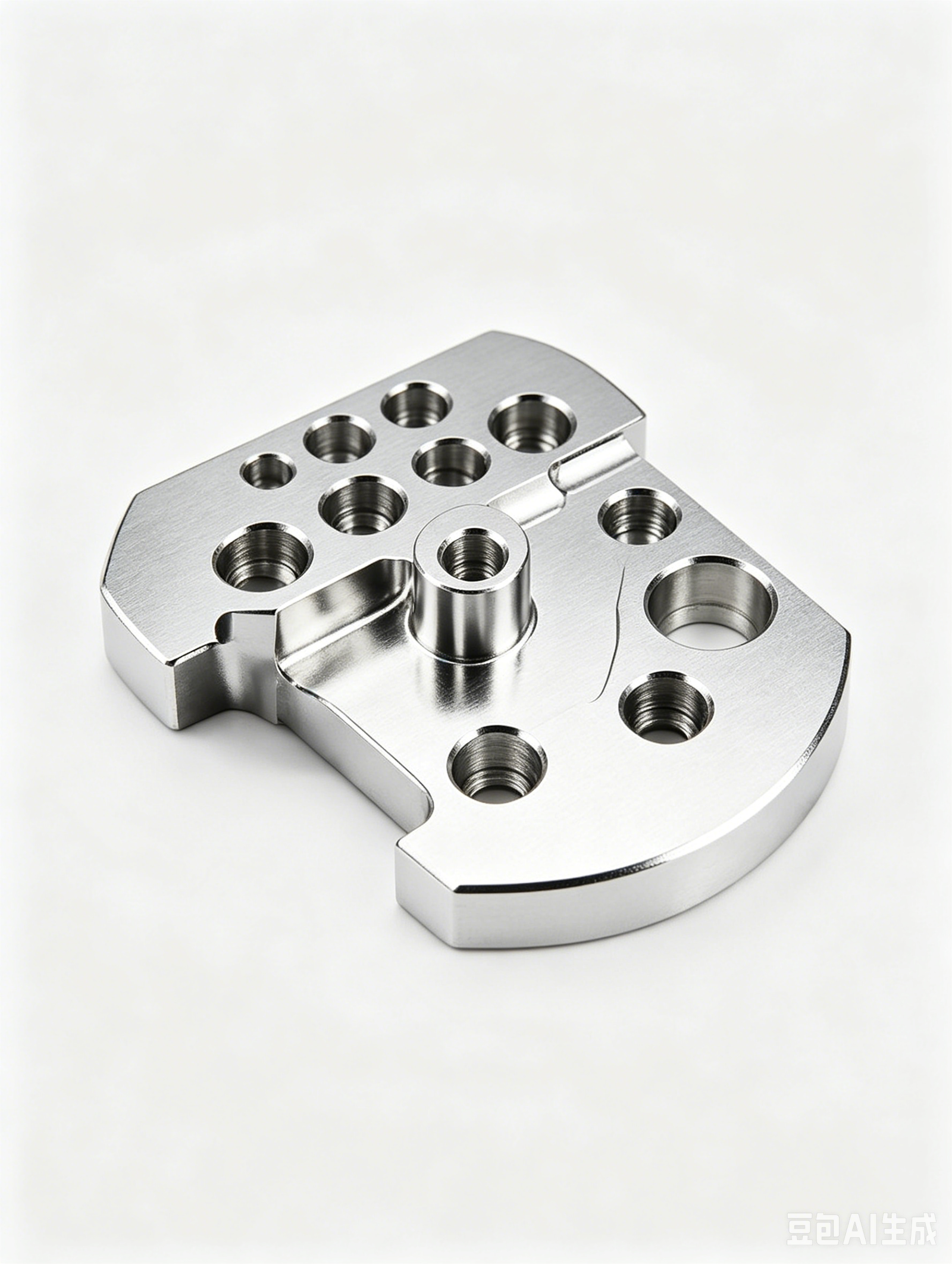
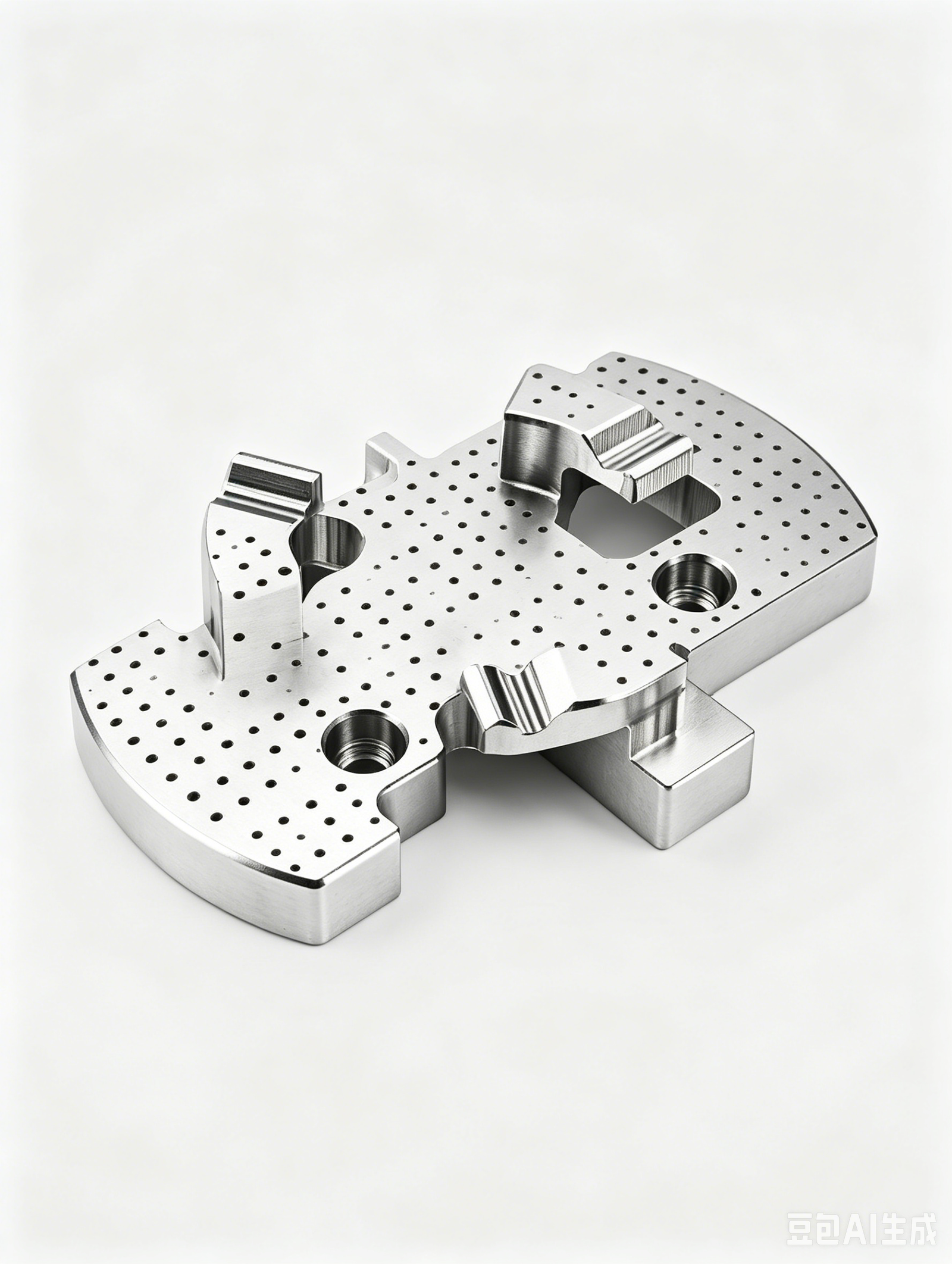
In today’s manufacturing environment, many industries are no longer satisfied with standard parts or simple machining solutions. Whether it is aerospace testing equipment, semiconductor inspection systems, communication base stations, medical devices, automotive components, optical equipment, or automated production lines, every part must meet stricter requirements for accuracy, material performance, stability, and repeatability.
This is where precision CNC machining plays an essential role.
As product structures become smaller, lighter, and more complex, manufacturers need machining partners that can turn drawings, samples, or engineering concepts into reliable components. JIUJU CNC focuses on custom CNC machining services, helping customers produce CNC hardware parts, prototypes, molds, mechanical components, and complex precision parts for different industrial applications.
Why Precision CNC Machining Matters
A precision component is not only about its appearance. In many cases, a small dimensional deviation can affect the performance of an entire system. For example, a positioning pin used in semiconductor inspection equipment must remain stable during repeated operation. A heat dissipation base plate for communication equipment must combine dimensional accuracy with proper surface quality. A titanium connection part used in aerospace testing must be strong, lightweight, and consistent under demanding working conditions.
Compared with traditional machining methods, CNC machining offers better control over cutting paths, dimensions, surface finish, and repeat production. With digital programming and advanced equipment, complex shapes can be machined more efficiently while reducing manual error. This makes CNC machining especially suitable for low-volume customization, prototype development, and high-precision industrial parts.
Main CNC Machining Capabilities
JIUJU CNC provides a range of machining solutions for customers who require precision, flexibility, and process control.
CNC Turning
CNC turning is commonly used for shaft parts, pins, connectors, bushings, threaded parts, and other rotational components. It is suitable for producing parts with round features, tight dimensional requirements, and consistent batch quality. For industries such as automation, machinery, medical equipment, and automotive systems, CNC turning helps ensure stable assembly and reliable operation.
5-Axis Complex Machining
For parts with complex surfaces, multiple angles, thin-wall structures, or integrated features, 5-axis CNC machining can reduce the need for multiple clamping operations. Fewer setups often mean better positional accuracy, improved surface consistency, and shorter production cycles. This process is valuable for aerospace brackets, optical parts, precision fixtures, medical components, and other parts that require complex geometry.
Wire EDM and EDM Machining
Wire EDM is often used for complex profiles, mold components, precision slots, and difficult-to-machine conductive materials. It is especially useful when conventional cutting tools cannot easily reach certain areas or when the material is too hard for standard machining. EDM machining can support mold manufacturing, high-hardness components, and precision parts with detailed shapes.
Mechanical Component Processing
Mechanical component processing is not only about cutting material. It involves material selection, process planning, machining, surface treatment, protection, inspection, and final quality confirmation. For customers, this means the supplier must understand both machining technology and the actual working conditions of the part.
Materials and Application Fields
Different industries require different materials. Aluminum is widely used for lightweight structures, heat dissipation parts, fixtures, and optical components. Stainless steel is commonly used where corrosion resistance, strength, or food-grade requirements are important. Titanium is often selected for aerospace, medical, and high-performance applications because of its strength-to-weight ratio. Engineering plastics such as POM can also be used for guide parts, wear-resistant components, and automation equipment.
JIUJU CNC’s product examples show a broad range of application directions, including:
Communication base station heat dissipation parts
Semiconductor inspection equipment positioning components
Optical equipment lens mounts
Construction machinery alloy steel parts
Automated conveyor line guide components
Food packaging equipment stainless steel nozzles
New energy battery equipment clamping fixtures
Aerospace testing equipment titanium precision parts
These applications show that CNC machining is not limited to one industry. It supports many sectors where custom parts, reliable tolerances, and stable quality are required.
Quality Control Is the Foundation of Precision Parts
For precision machining, quality cannot be checked only at the final stage. A professional machining process should begin with material review and incoming inspection. Before production, engineers need to evaluate the drawing, select suitable equipment, plan the machining process, and confirm key dimensions. During machining, process parameters, tool condition, and fixture stability all affect the final result.
A complete quality control system usually includes dimensional inspection, surface quality inspection, shape accuracy detection, data recording, and traceability. For precision components, tools such as coordinate measuring machines, optical measuring instruments, roughness testers, and other inspection equipment help verify whether the finished part meets customer requirements.
This kind of process control is important for international buyers. When sourcing custom CNC parts from overseas suppliers, customers do not only compare price. They also care about communication efficiency, drawing understanding, sample accuracy, production stability, packaging, and long-term repeatability.
From Prototype to Production
Many projects start with only a drawing, 3D model, or sample. Before mass production, customers may need prototypes to test assembly, function, material performance, or surface treatment. CNC machining is highly suitable for this stage because it can produce real parts from actual engineering materials without the long lead time of full tooling.
After the prototype is approved, the same machining experience can be used to optimize the production process. This helps reduce risk before larger orders. For industries such as medical devices, automation equipment, semiconductor machinery, optical systems, and new energy equipment, this step-by-step approach is often more practical than rushing directly into mass production.
Choosing the Right CNC Machining Partner
A suitable CNC machining supplier should not simply “make parts according to drawings.” A better partner should be able to review manufacturability, identify potential machining risks, recommend materials, control tolerances, manage surface finishing, and provide clear feedback during production.
For buyers who need customized precision parts, the key questions are:
Can the supplier understand complex drawings?
Can they process different metals and engineering plastics?
Can they support prototypes, small batches, and repeated orders?
Can they control quality throughout the process?
Can they provide stable communication and technical feedback?
JIUJU CNC’s service direction matches these needs by focusing on CNC turning, 5-axis machining, wire EDM, mechanical component processing, prototypes, molds, and precision parts for different industrial sectors.
Conclusion
Precision CNC machining has become an important foundation for modern industrial manufacturing. As products continue to move toward higher accuracy, lighter structures, shorter development cycles, and more customized designs, reliable machining capability is more valuable than ever.
For companies developing new equipment, improving existing products, or sourcing custom precision components, working with an experienced CNC machining supplier can help reduce project risk, improve part consistency, and support faster product development.
JIUJU CNC provides custom CNC machining solutions for customers who need precision parts, prototypes, molds, and mechanical components across demanding industries. From material selection to machining, inspection, and delivery, every step matters when the final part must perform reliably in real working conditions.