Milling processing has many advantages in industrial production, including:1. Versatility: milling processing can be used to process workpieces of various shapes, including planes, slots, holes, curves, etc., w...


Milling can process various shapes such as flat surfaces and grooves, with an accuracy of IT7-IT9 level and a surface roughness of 1.6-6.3 μ m.
The grinding accuracy reaches IT5-IT7 level, with a surface roughness of 0.1-1.6 μ m. It can process high hardness materials and is used for high-precision surface finishing.
The precision of wire cutting is about ± 0.01- ± 0.02mm, which is used for complex shape processing such as mold manufacturing.
Electrical discharge machining can process difficult to cut conductive materials with an accuracy of ± 0.01- ± 0.05mm and a surface roughness of 0.4-3.2 μ m.
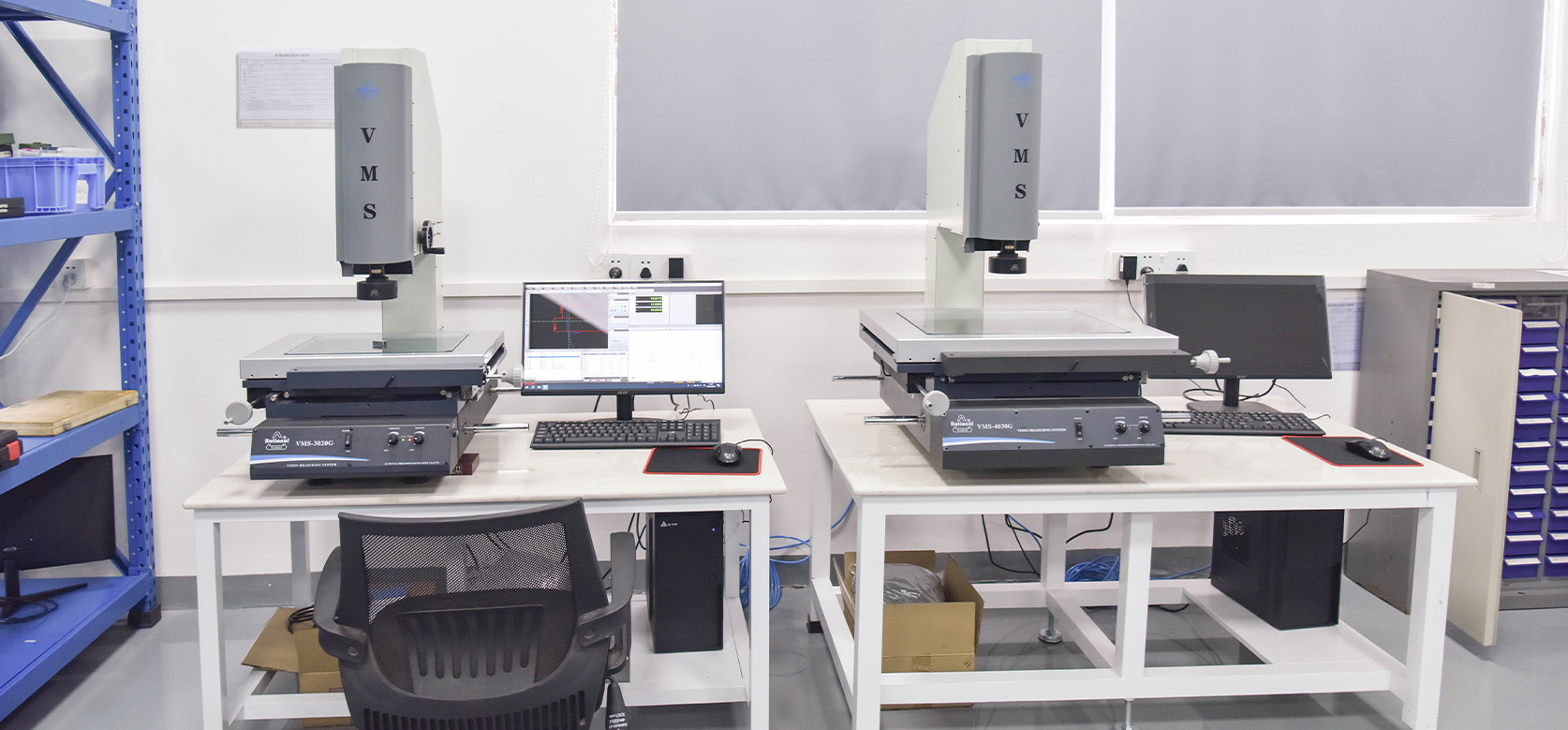
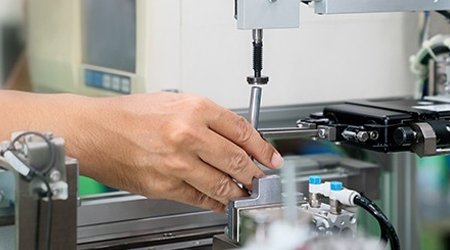
Data recording and management meticulously document every detail of the manufacturing process.
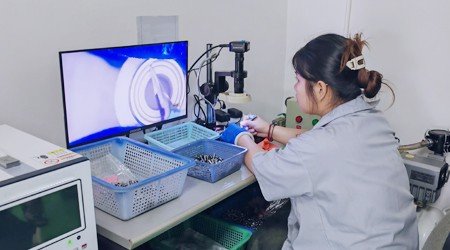
Surface quality inspection focuses on evaluating the characteristics and integrity of the surface of a product or component
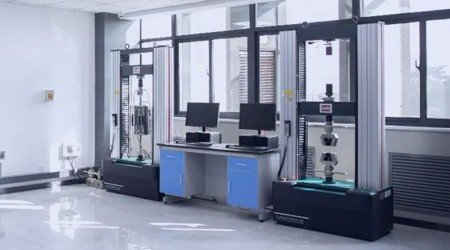
Shape accuracy detection of roundness, cylindricity, flatness and other shape errors of parts.
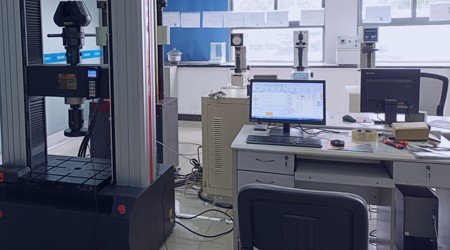
Ensure that the dimensions meet the requirements through high-precision measurement.
Strictly control quality throughout the entire production process, including raw material inspection, processing monitoring, post molding quality inspection, and quality traceability